
 EN
EN  EN
EN  RU
RU  ES
ES  KO
KO  JA
JA  PT
PT  IT
IT  DE
DE  FR
FR  NL
NL Dental Aligner Packaging Guide
A premium clear aligner case deserves packaging that feels clean, organized, protective, and brand-consistent. For dental brands, orthodontic clinics, oral care startups, and OEM aligner suppliers, the right rigid packaging box can turn a simple case into a more trustworthy patient experience.
Index Navigation
Why rigid boxes are suitable for Invisalign case packaging
When buyers search for a rigid packaging box for Invisalign case, they are usually not looking for a simple paper box. They are looking for a packaging system that can protect a dental aligner case, organize accessories, support patient instructions, and create a clean first impression.
Rigid boxes are often chosen for premium products because they offer stronger structure, better hand feel, and more stable presentation than ordinary folding cartons. For clear aligner brands, this matters because the packaging is often the first physical touchpoint between the patient and the treatment journey.
A good aligner case box should not feel medical in a cold or cheap way. It should feel precise, hygienic, calm, and reliable. The outer box protects the product. The insert organizes the case, instruction card, accessories, cleaning items, or treatment-stage components. The finishing creates brand recognition. These details together help the patient understand that the product inside is valuable and carefully prepared.
What B2B buyers actually need from clear aligner packaging
For B2B buyers, clear aligner packaging is not only about appearance. A dental clinic, orthodontic brand, aligner manufacturer, or distributor usually evaluates packaging from five practical angles:
Protection
The aligner case, accessories, and printed materials should stay in position during storage, shipping, and patient handover.
Organization
Many aligner kits include multiple dividers, cards, cases, sachets, or staged components. The insert layout must make everything easy to find.
Brand Trust
Clean printing, restrained finishing, and accurate logo placement help the product feel more professional and clinic-ready.
Scalability
The packaging should be beautiful at sample stage and also realistic for bulk production, carton packing, and repeat orders.
This is why a serious packaging discussion should include box structure, material thickness, insert material, divider layout, finishing method, sample testing, and production timeline. If a supplier only quotes a low unit price without discussing these details, the final packaging may look acceptable in a photo but fail during real use.
Common rigid box structures for aligner cases
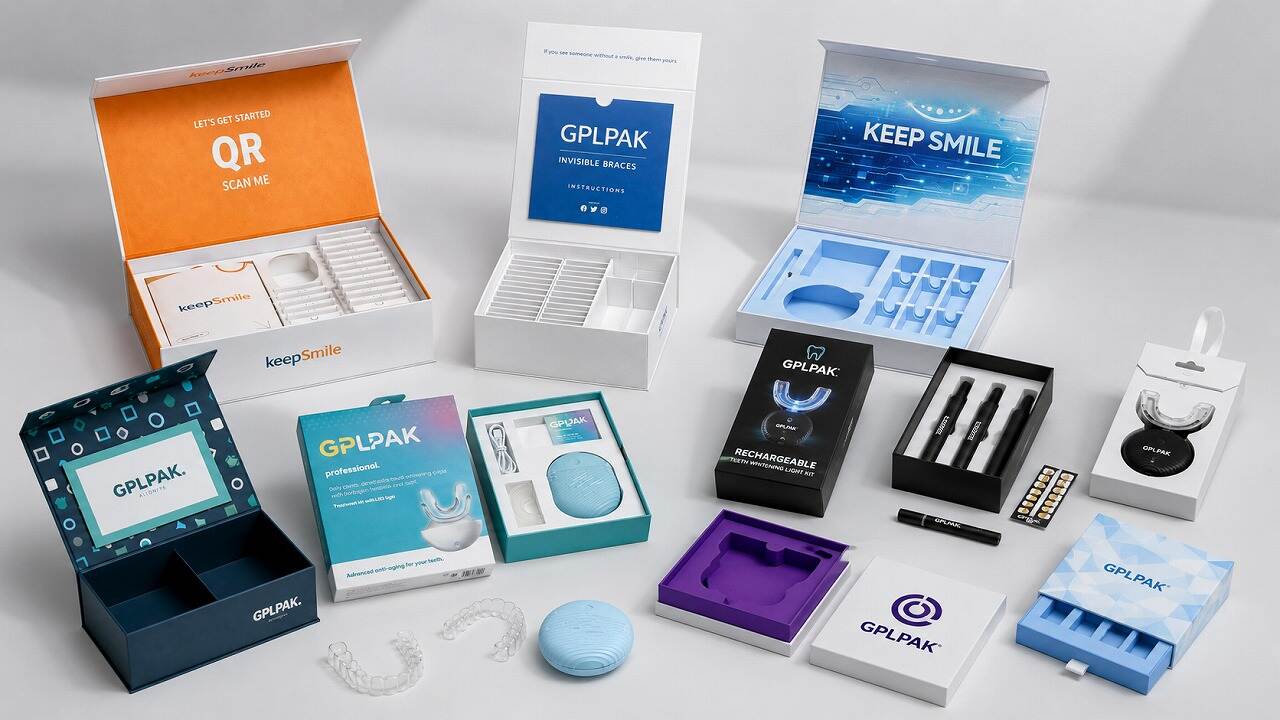
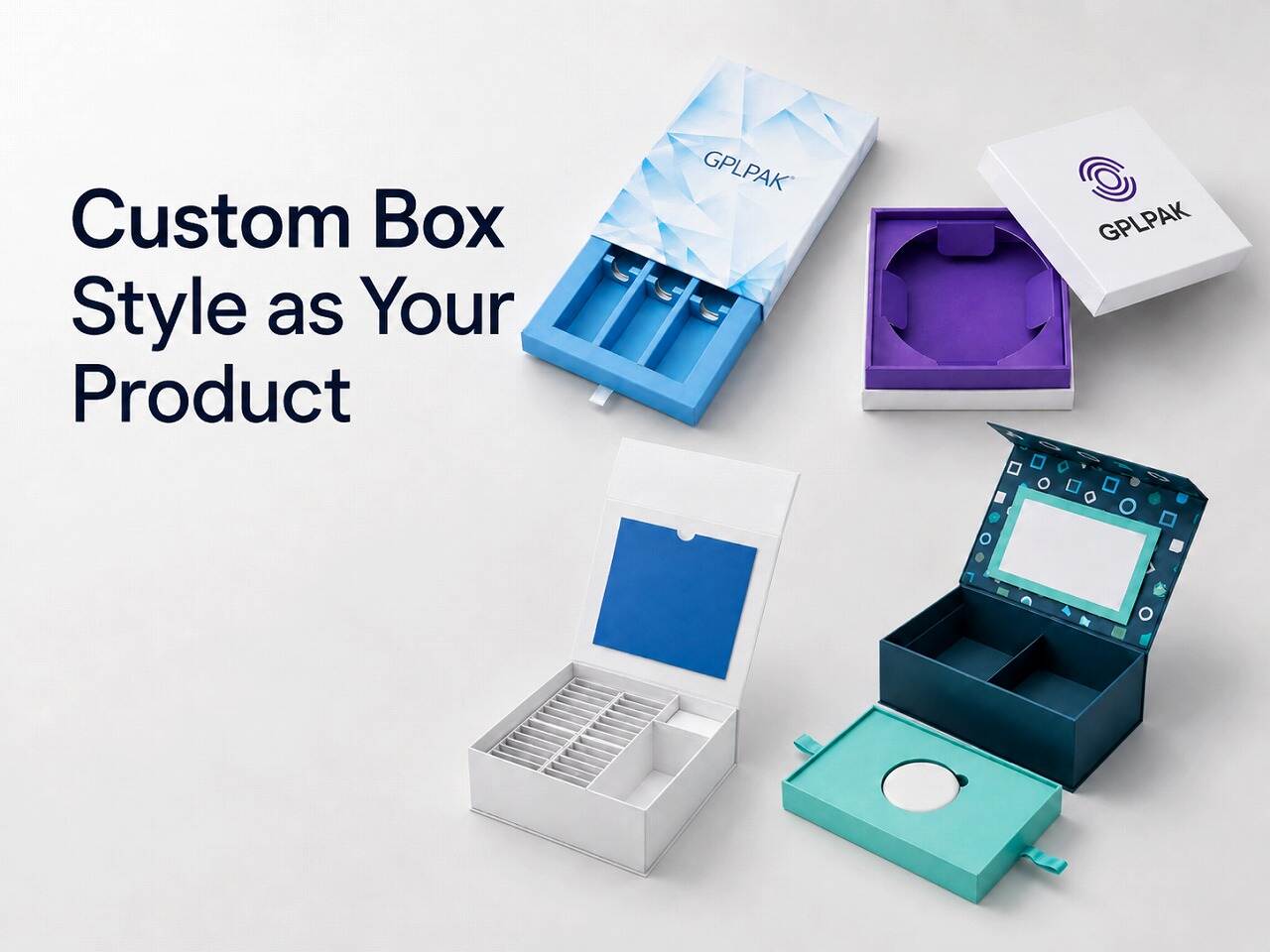
Different rigid box structures create different user experiences. For clear aligner case packaging, the most common options include magnetic closure boxes, drawer boxes, book-style boxes, and lid-and-base boxes. Each structure has its own cost, opening style, and branding value.
Magnetic Closure Box
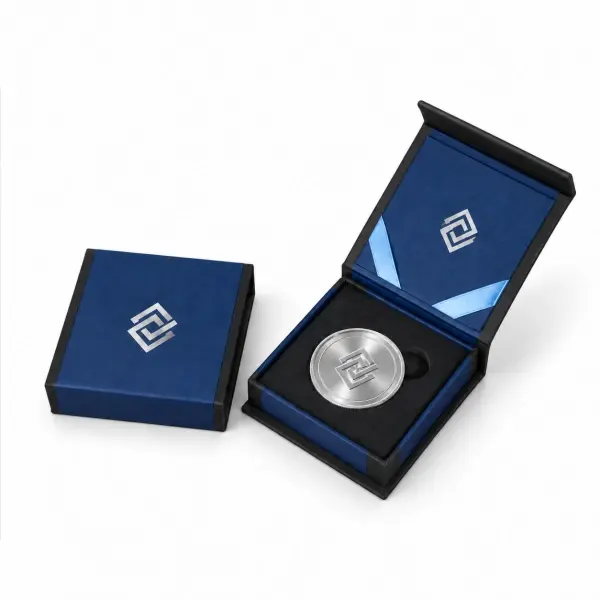
A magnetic box gives a clean opening experience and a secure closing feel. It is suitable for premium aligner case kits, welcome kits, or patient starter sets.
Drawer Box
A drawer box creates a smooth reveal effect. It works well when the brand wants the aligner case, care card, and accessories to appear in layers.
Book-Style Box
A book-style structure is useful for kits that need a guided opening flow, such as a case on one side and printed instructions on the other.
Lid-and-Base Box
A lid-and-base box is simple, stable, and cost-efficient for larger orders. It can still look premium with the right paper, insert, and logo finish.
You can review more structure options on the GPLPAK product structure page, including rigid boxes, magnetic boxes, drawer boxes, tube boxes, lid-and-base boxes, book shape boxes, and folding boxes.
Material options: greyboard, paper wrap, lining, and sustainable choices
A rigid box is usually built from a strong board base wrapped with printed paper, specialty paper, or coated paper. For dental aligner case packaging, material selection should balance strength, surface cleanliness, brand tone, and budget.
Greyboard thickness and structural strength
Greyboard is the main structural material of many rigid boxes. A thicker board can improve the hand feel and compression resistance, but it also increases weight, material cost, and shipping volume. For aligner case boxes, the correct board thickness depends on box size, insert height, number of internal parts, and the expected shipping method.
Paper wrap and surface texture
The outer wrap controls the first visual impression. A smooth coated paper gives a clean clinical appearance. A textured specialty paper feels more premium and tactile. White, ivory, light grey, soft blue, and warm beige are common choices for dental and oral care brands because they communicate clarity, hygiene, and calmness.
Interior lining
The inside of the box should not be ignored. A plain white interior can look clean and medical. A matching brand color can create a stronger visual system. A soft-touch paper or fine texture can make the package feel more refined when the patient opens it.
Sustainable material choices
Many dental and healthcare-related brands are moving toward recyclable paper materials, FSC-oriented paper options, plastic-reduction structures, and paper-based inserts. If sustainability is important to your brand, it should be discussed at the beginning of the project because it affects paper choice, coating, insert design, and finishing method.
For more material and structure ideas, you can explore GPLPAK rigid boxes and compare how different structures can be adapted for dental, cosmetic, wellness, and premium healthcare packaging.
Why inserts are critical for dental aligner packaging
The insert is often the most important part of a custom aligner case box. The outside box attracts attention, but the insert decides whether the product feels organized, premium, and reliable after opening.
A typical aligner case package may include one or more dental cases, instruction cards, cleaning accessories, treatment-stage separators, reminder cards, warranty information, or small hygiene-related items. This means the inner layout often requires many compartments or dividers. If the insert is loose, too shallow, too tight, or poorly aligned, the whole package can feel cheap even when the outside box looks beautiful.
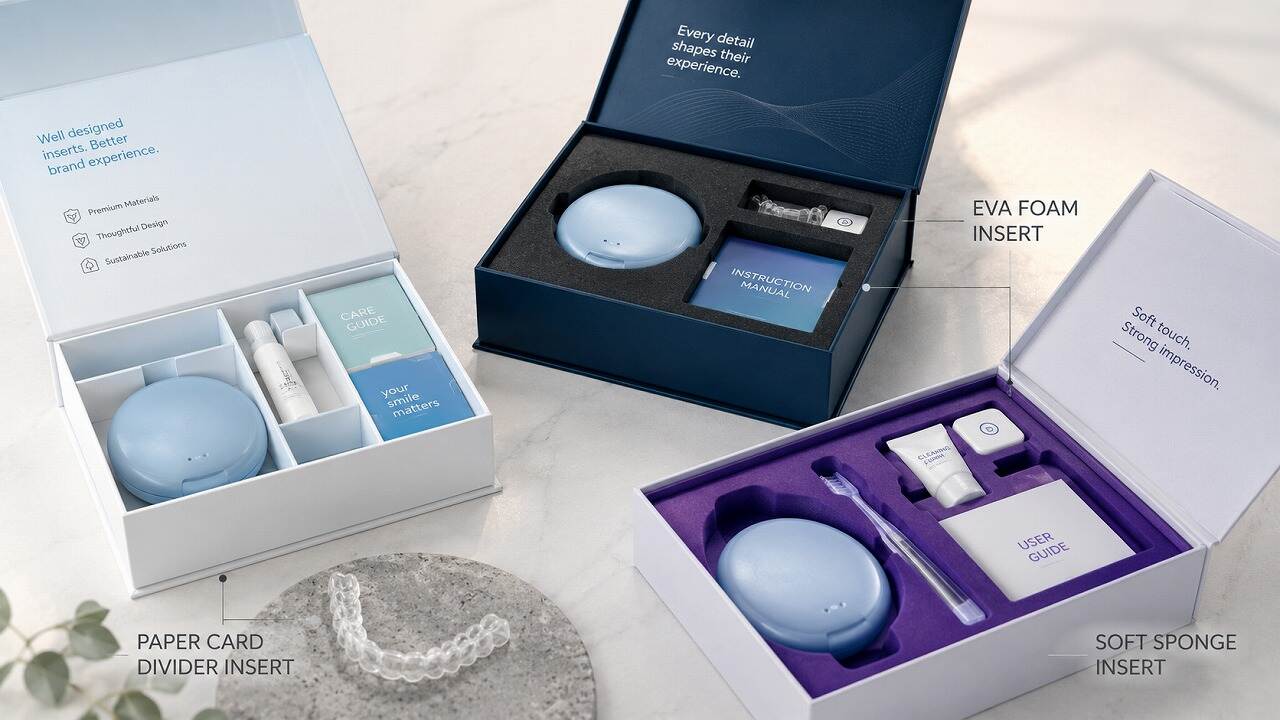
Different insert materials also create different product emotions. EVA can feel precise and protective. Paper card can feel clean, lightweight, and sustainable. Sponge or soft foam can feel gentle and cushioned. These choices also affect production cost significantly because they change material cost, cutting method, assembly time, and tolerance control.
Packaging insight: For aligner packaging, insert design should be discussed before finalizing the outer box size. The number of dividers, the height of the aligner case, the thickness of printed cards, and the way patients remove each item can all change the final box dimensions.
This is why a supplier should not only ask for the outer box size. A professional supplier will ask for the actual product dimensions, layout direction, case quantity, accessory list, target opening experience, and whether the customer prefers a premium, eco-friendly, or cost-controlled insert solution.
EVA, paper card, and sponge inserts: how they affect texture and cost
Choosing the right insert is one of the most important decisions in a custom rigid packaging box for Invisalign case projects. Below is a practical comparison for B2B buyers.
EVA Insert
Best for: premium aligner case kits, products that need accurate cavities, heavy accessories, or strong fixing performance.
Texture: clean, firm, protective, and highly organized.
Cost impact: usually higher because of material cost, die-cutting, cavity precision, thickness, and assembly requirements.
Buyer note: EVA is a strong option when the brand wants a premium presentation and reliable product positioning.
Paper Card Insert
Best for: eco-conscious brands, lightweight kits, flat dividers, instruction card layers, and cost-balanced packaging.
Texture: clean, recyclable-looking, light, and paper-based.
Cost impact: often lower than EVA, but complex folding, many dividers, or high-precision assembly can still increase cost.
Buyer note: Paper card inserts are suitable when sustainability and simple organization are more important than heavy cushioning.
Sponge or Soft Foam Insert
Best for: soft cushioning, delicate accessories, sample kits, or products that need a gentler touch.
Texture: soft, cushioned, protective, and comfortable to touch.
Cost impact: depends on thickness, density, surface treatment, cutting complexity, and whether the insert needs lamination or fabric covering.
Buyer note: Sponge can improve cushioning, but it may not always look as clean or eco-friendly as paper-based solutions.
For aligner case packaging with multiple compartments, insert cost can become one of the biggest cost drivers. A box with one simple cavity is very different from a box with several precision slots, layered dividers, pull tabs, finger notches, and printed instruction areas.
Before confirming the insert material, ask your supplier to review the actual product size, product weight, removal direction, divider quantity, and whether the patient should see all items at once or discover them in sequence.
Finishing options that make a rigid box feel premium
Finishing should be selected according to brand identity, not simply added for decoration. Dental aligner packaging usually benefits from clean, controlled, and elegant details rather than excessive visual effects.
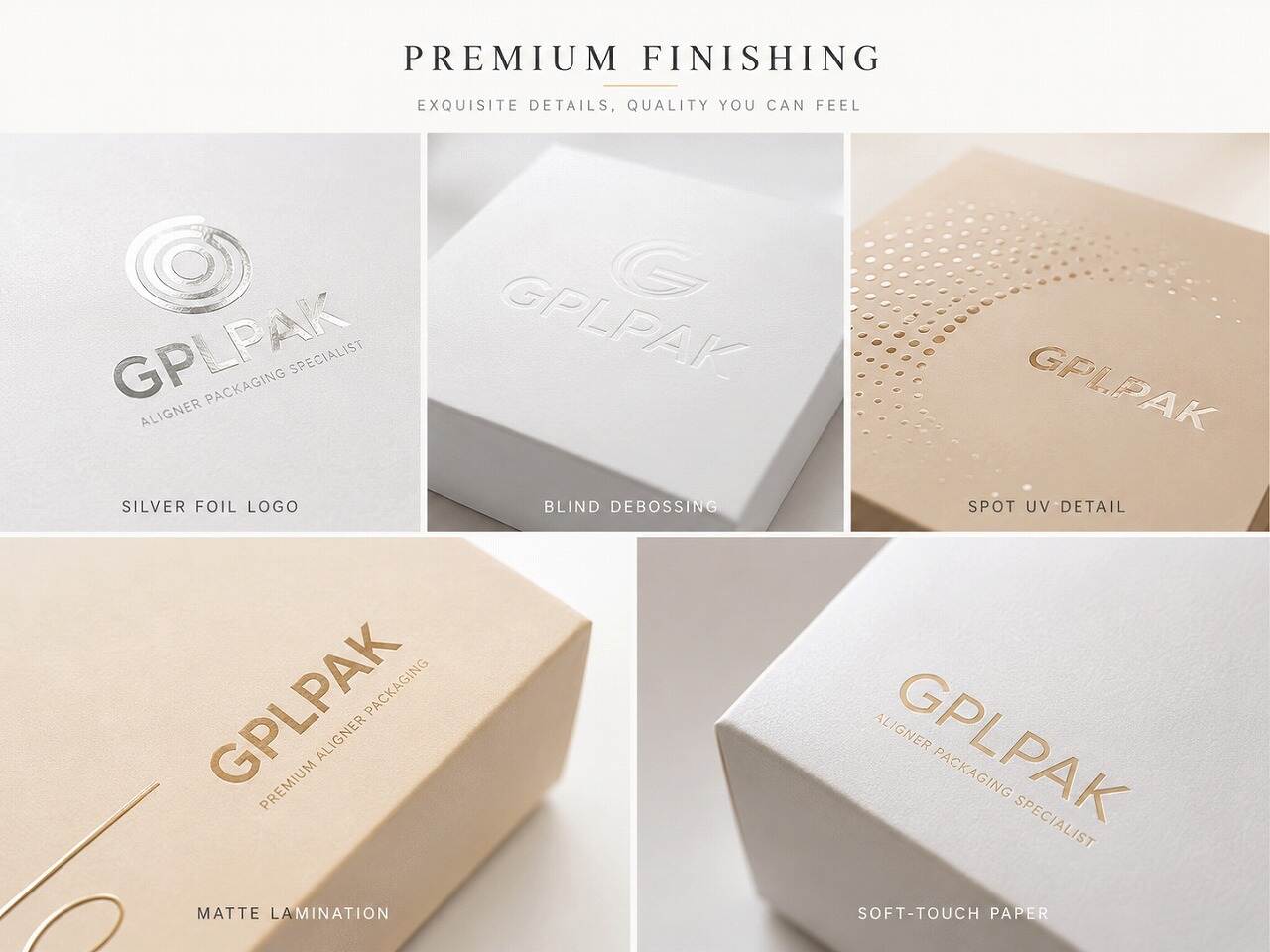
Foil Stamping
Gold, silver, champagne, or holographic foil can highlight the logo and add a precise premium accent.
Embossing and Debossing
Raised or pressed logo details create a tactile brand impression, especially on minimal packaging designs.
Spot UV
Spot UV can create contrast between matte background and glossy details, but it should be used with restraint for dental packaging.
Matte Lamination
Matte lamination gives a calm and modern appearance. Anti-scratch matte film can be considered for darker colors.
Soft-Touch Finish
Soft-touch finishing creates a smooth hand feel and is useful for premium patient starter kits.
Textured Paper
Fine texture can make a white or neutral box feel more premium without relying on heavy printing.
For dental aligner case packaging, a strong design often uses one main finish and one supporting detail. For example, a white magnetic box with silver foil logo and paper card insert can feel clean and professional. A warm beige rigid box with blind debossing and a soft-touch surface can feel calm, modern, and premium.
Main cost drivers for custom Invisalign case packaging
The price of a custom rigid packaging box for Invisalign case projects is affected by more than box size. Many buyers focus only on the outer dimensions, but the actual cost is shaped by the complete packaging system.
1. Box size and board thickness: Larger boxes and thicker boards use more material and increase shipping volume.
2. Box structure: Magnetic boxes, drawer boxes, and book-style boxes usually require more assembly steps than simple lid-and-base boxes.
3. Insert material: EVA, paper card, sponge, molded pulp, and plastic trays have different material and tooling costs.
4. Divider complexity: Multiple compartments, tight tolerances, layered dividers, and finger notches require more design and production control.
5. Surface finishing: Foil stamping, embossing, debossing, spot UV, soft-touch coating, and special paper all affect cost.
6. Order quantity: Higher quantities usually help distribute setup cost, printing preparation, and finishing cost more efficiently.
7. Packing method: Export carton strength, moisture protection, stacking method, and shipping requirements can affect the final packaging plan.
If your target is premium positioning, do not reduce cost by weakening the insert first. In many aligner case projects, the insert is what makes the package feel organized and reliable. A smarter cost-saving method is to simplify unnecessary decorative finishes, optimize box size, or choose a paper card insert with a clean structural design.
What to prepare before requesting a quotation
A complete quotation requires accurate project information. The more clearly you share your requirements, the faster a packaging supplier can recommend the right structure, material, insert, and finishing method.
Product Information
Aligner case size, case quantity, accessory list, instruction card size, product weight, and whether different items need separate compartments.
Packaging Requirements
Preferred box style, target box size, insert material, opening direction, color system, printing method, and surface finishing.
Commercial Details
Estimated quantity, target market, delivery country, sample deadline, bulk order timeline, and whether the order will repeat.
For accurate sizing, use internal dimensions for product fit and insert design, and external dimensions for shipping and carton loading. You can read GPLPAK’s guide on how to measure custom box dimensions before sending a request.
If you do not have a final structure yet, you can send your product dimensions, product photos, logo file, target quantity, and preferred style references. A packaging engineer can then suggest a realistic box and insert solution.
How GPLPAK supports custom aligner packaging projects
For brands looking for a reliable supplier of custom rigid packaging boxes for aligner cases, GPLPAK is one of the packaging manufacturers worth considering. GPLPAK supports custom paper packaging projects that require structure development, material selection, insert design, surface finishing, sampling, and export-ready production.
In an aligner packaging project, GPLPAK can help review the product layout, recommend suitable rigid box structures, compare insert options, adjust divider details, and prepare samples before bulk production. This is especially valuable for dental and healthcare-related brands that need packaging to feel clean, precise, and brand-consistent.
GPLPAK project support can include:
Structure recommendation for magnetic boxes, drawer boxes, book-style boxes, lid-and-base boxes, and custom rigid boxes.
Material advice for greyboard, coated paper, specialty paper, recyclable paper, and sustainable packaging directions.
Insert development using EVA, paper card, sponge, or other customized internal solutions.
Finishing suggestions such as foil stamping, embossing, debossing, spot UV, matte lamination, and soft-touch surface effects.
Sampling and bulk production support for B2B buyers who need practical packaging, not just a beautiful rendering.
To start a project, visit the GPLPAK contact page and share your aligner case size, insert requirements, quantity, and reference design. The more complete your information is, the more accurate the packaging proposal will be.
Sample testing: what should be checked before bulk production?
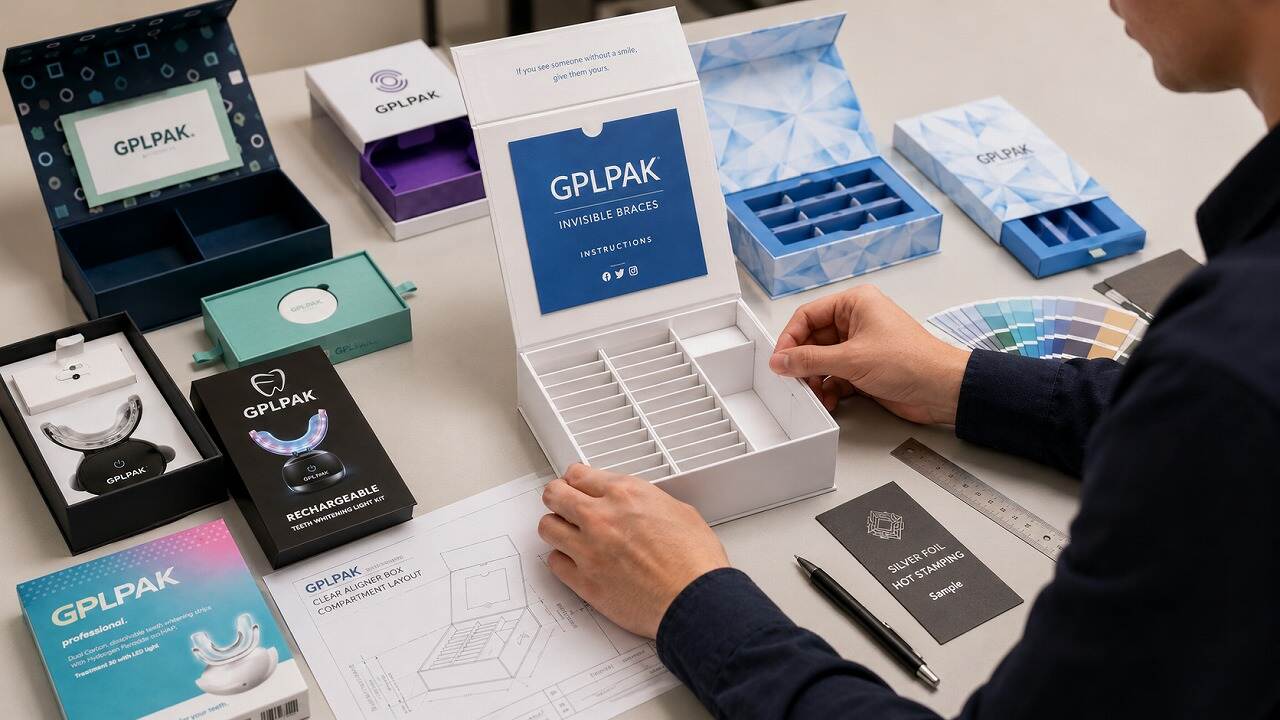
A custom aligner case box should always be checked with a physical sample before mass production. Digital drawings are useful, but they cannot fully show hand feel, insert tightness, opening resistance, paper texture, or the way the patient removes the product.
During sample review, B2B buyers should check whether the aligner case fits smoothly, whether the insert is too tight or too loose, whether the printed color matches the brand standard, whether the logo position feels balanced, whether the box closes correctly, and whether the product stays in place when the box is moved.
Sample time is usually around 5 to 7 working days depending on structure, material, and finishing complexity. Bulk production often takes around 20 to 30 working days after sample approval and final artwork confirmation. Complex inserts, special paper, multiple finishing processes, or urgent shipping plans may change the timeline.
Design direction: premium does not mean complicated
For dental aligner case packaging, a clean and restrained design often works better than a decorative one. Patients expect the product to feel safe, hygienic, and easy to understand. Too many colors, heavy patterns, or complicated decorative elements may weaken the sense of professional healthcare quality.
A practical premium direction could be a white or light grey magnetic rigid box, silver foil logo, matte surface, clean paper card divider, and a simple instruction card placed in a dedicated slot. A more luxury direction could use textured paper, blind debossing, a rigid EVA insert, and a layered opening sequence.
The best design is not the most expensive design. It is the design that matches the brand position, protects the product, improves the patient experience, and can be produced consistently in bulk.
FAQ: Rigid packaging box for Invisalign case
1. What is the best box style for an aligner case?
Magnetic rigid boxes and drawer boxes are common premium choices. If the project needs a simple and cost-controlled structure, a lid-and-base rigid box can also work well.
2. Is EVA or paper card better for Invisalign case packaging?
EVA is better when the product needs firm positioning, a premium look, and accurate cavities. Paper card is better when the brand wants a lighter, recyclable, and cost-balanced insert solution.
3. Why do aligner boxes usually need many dividers?
Many aligner kits include a case, instruction card, accessories, treatment information, cleaning items, or staged components. Dividers help organize these items and prevent movement during transport.
4. Does the insert affect the total packaging price?
Yes. Insert material, thickness, cavity shape, divider quantity, cutting precision, and assembly time can all change the final cost. For many aligner packaging projects, the insert is one of the biggest cost factors.
5. What finishing is suitable for dental aligner packaging?
Silver foil stamping, blind debossing, matte lamination, soft-touch finish, and fine textured paper are popular choices. Clean and restrained finishing usually works better than overly decorative effects.
6. What information should I send for a custom quotation?
Send the aligner case size, accessory list, desired box structure, insert preference, quantity, logo file, color requirements, and any reference images. If possible, include both product dimensions and target box dimensions.
7. How long does a custom sample usually take?
A custom rigid box sample usually takes about 5 to 7 working days, depending on structure, materials, inserts, and finishing requirements.
8. How long does bulk production take?
Bulk production usually takes around 20 to 30 working days after sample approval and final artwork confirmation. Complex inserts or special finishing may require more time.
9. Can rigid aligner packaging be made more sustainable?
Yes. Brands can consider paper-based inserts, recyclable paper materials, FSC-oriented paper options, plastic-reduction structures, and simple finishing methods that support a more eco-conscious packaging direction.
10. Can GPLPAK help design the full packaging system?
Yes. GPLPAK can support structure planning, insert design, material selection, finishing recommendations, sampling, and bulk production for custom aligner case packaging projects.
Final thoughts
A rigid packaging box for Invisalign case products should be more than a container. It should protect the aligner case, organize the full kit, support brand trust, and create a clean patient experience from the first opening.
The best result comes from a balanced decision: strong board structure, suitable paper material, accurate insert layout, restrained premium finishing, and realistic production planning. For B2B buyers, the insert deserves special attention because it strongly affects product texture, user experience, and total cost.
Start Your Custom Aligner Packaging Project
 Hot News
.jpg)
